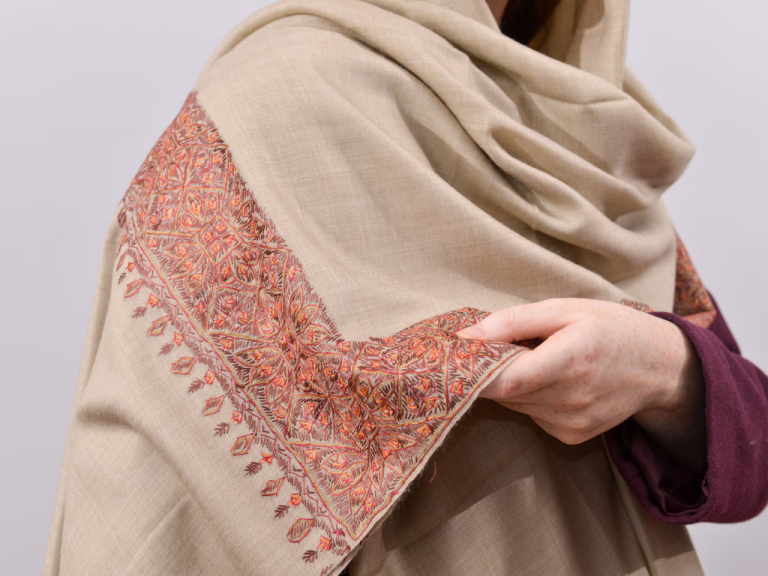
When you wrap a Pashmina around your shoulders, you are not just wearing a shawl — you are carrying centuries of tradition, patience, and artistry woven into every thread. At the heart of this legacy are the Kashmiri artisans, the unsung guardians of a craft that the world reveres as one of the finest forms of luxury.
Hands That Weave Stories
Every Pure Pashmina shawl begins in the remote highlands of Ladakh, where the rare Changthangi goats provide the delicate wool. But the true magic happens in the valleys of Kashmir. Here, artisans — often from families who have practiced this craft for generations — take the raw fiber and transform it into fabric of unmatched softness and elegance.
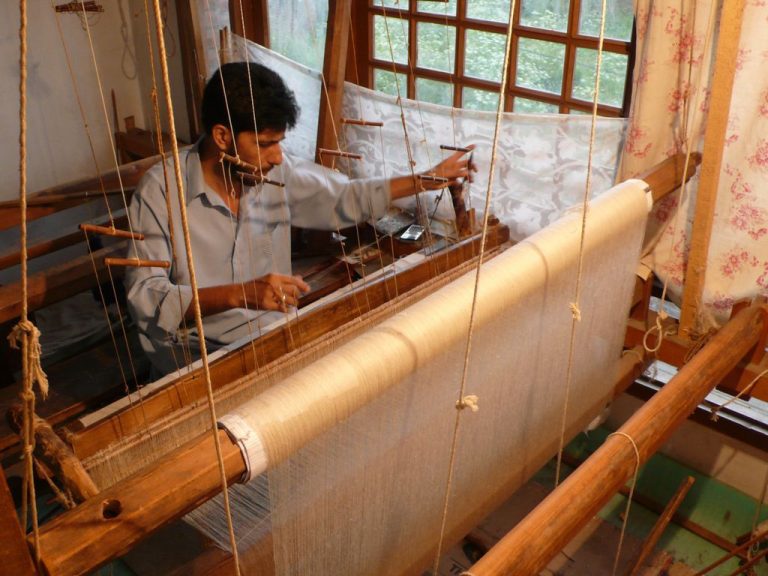
From hand-spinning the ultra-fine yarn to weaving it on traditional wooden looms, every step requires skill, patience, and precision. For these artisans, weaving isn’t just work — it’s an inheritance, a sacred art passed down like a family heirloom.
Months of Dedication in Every Shawl
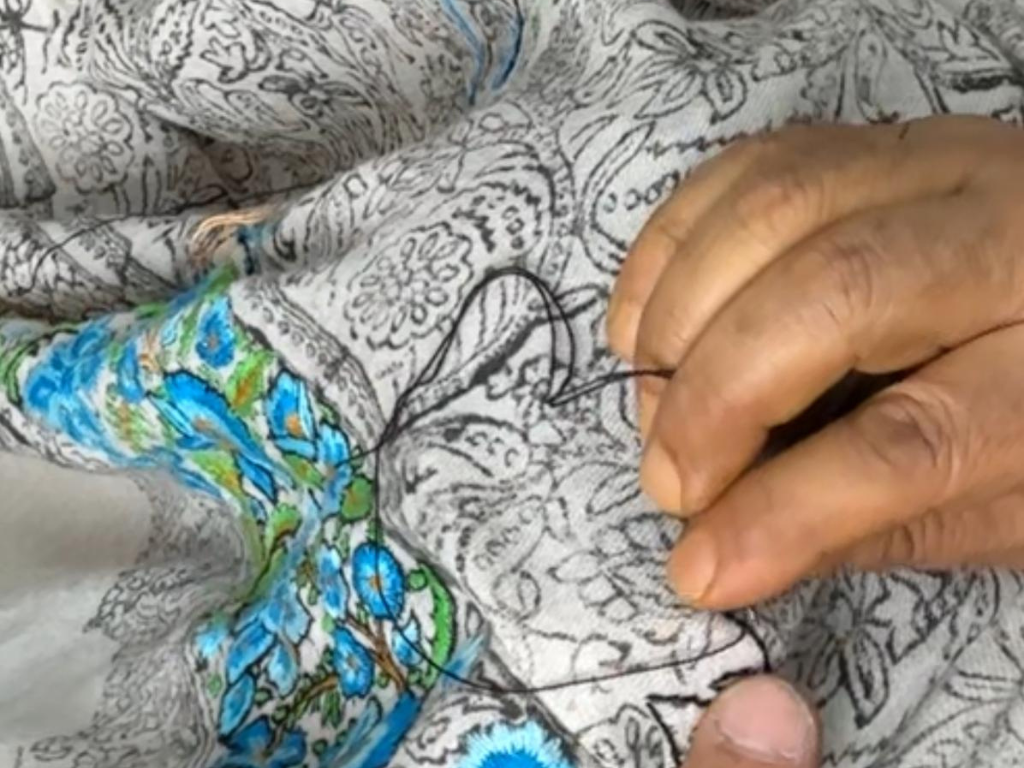
What makes Pashmina extraordinary is not just the fiber, but the time artisans devote to perfecting it. Some shawls, especially those embroidered with intricate sozni or woven in the traditional kani technique, can take months — even years — to complete. Every motif, every line of embroidery carries the touch of an artisan’s devotion.
The Harsh Reality — A Dying Craft
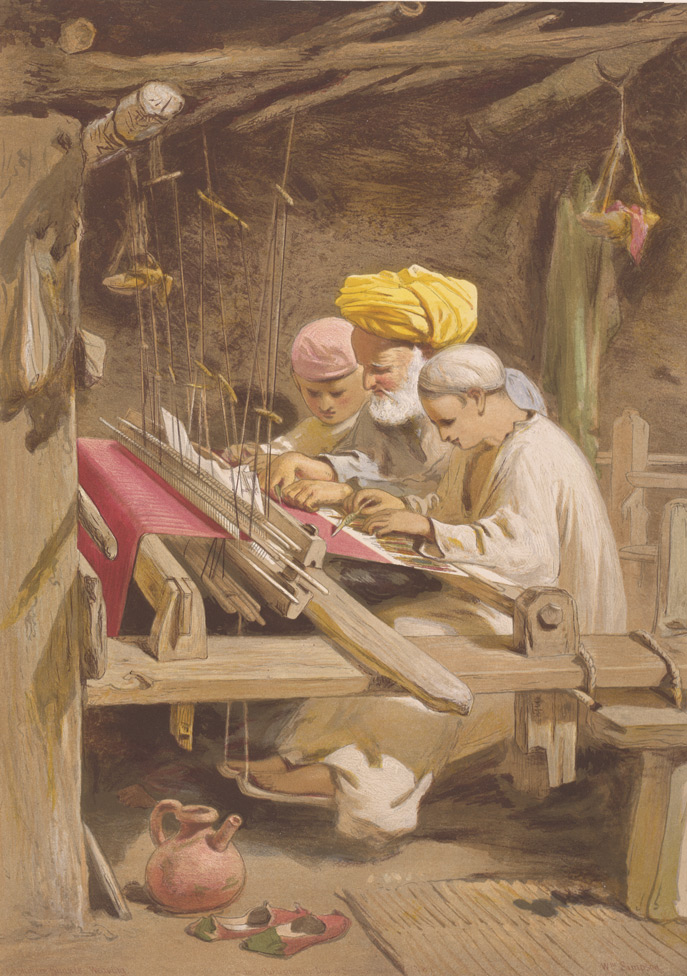
As beautiful as the art is, its future hangs in uncertainty. Today, fewer young people in Kashmir are choosing to pursue this craft. Even the children of artisans, who once naturally inherited the loom from their fathers or mothers, are stepping away. Why? Because the rewards don’t match the effort.
Artisans often earn only a fraction of what their work is worth in the market. Middlemen, rising costs, and the flooding of fake or machine-made products have made survival difficult. Imagine spending six months on a masterpiece and not being able to recover even basic expenses — this is the reality for many.
So, the younger generation is turning towards other professions, leaving behind a craft that has lived for hundreds of years. As one artisan shared, “My father lived his life on the loom, but I cannot ask my son to do the same. He deserves stability, something this art no longer gives.”
Why We Must Care
The decline of this art is not just a loss for Kashmir — it is a loss for humanity. Pashmina weaving is not simply fabric-making; it is culture, heritage, and identity. If it disappears, we don’t just lose a shawl, we lose centuries of storytelling and human connection woven into each piece.
By choosing authentic, handcrafted Pashmina, we contribute to keeping the looms alive. Every purchase is not just fashion — it’s a vote for artisans, for heritage, and for ensuring that future generations still know what true Pashmina feels like.
Ally’s Textiles — A Promise to Heritage
At Ally’s Textiles, we believe Pashmina is more than a product; it is a legacy. That is why we work directly with Kashmiri artisans, ensuring they receive fair value for their skill and dedication. Each piece in our collection is handcrafted, GI-certified, and carries the essence of Kashmir’s artistry.
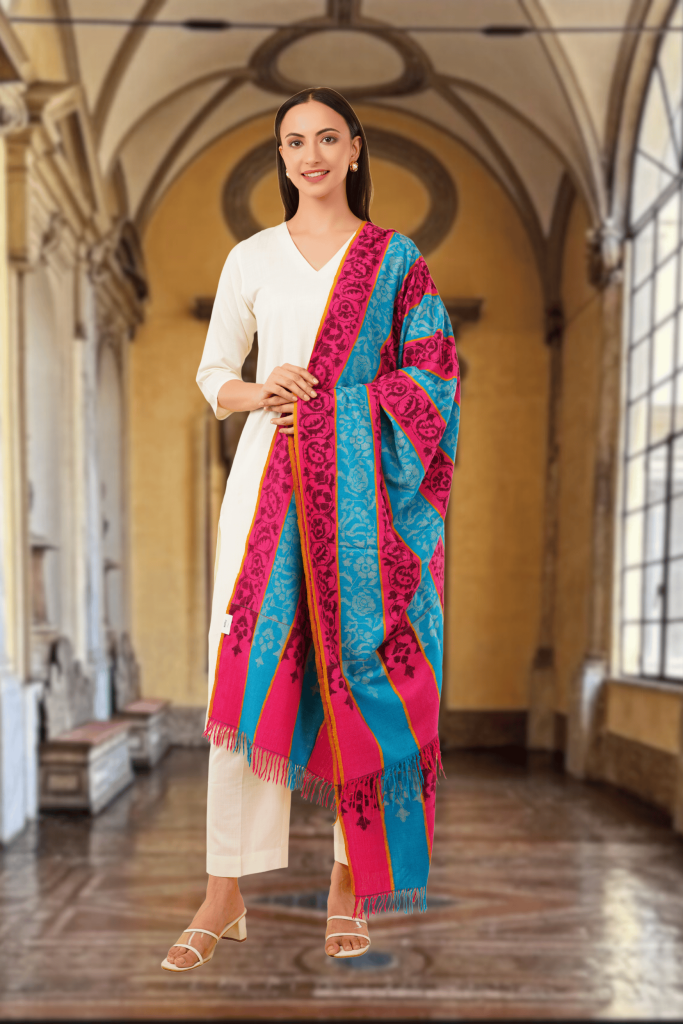
When you choose Ally’s Textiles, you are not only draping yourself in luxury, but also becoming part of the journey to preserve this endangered art. Together, we can make sure that the story of Pashmina — and the artisans behind it — continues to live on.
Closing Thought
The beauty of Pashmina lies not just in its softness, but in the resilience of the hands that create it. Kashmiri artisans are the true custodians of this craft, but they cannot preserve it alone. Your choice has the power to keep this “Soft Gold” alive.
Wrap yourself in a shawl that carries the warmth of the Himalayas, the soul of Kashmir, and the hope of a future where this art thrives.